A remote apartment search works best when you replace assumptions with a verification packet for one specific residence. Define your routine, confirm the address and layout, request a live or detailed tour, test the route to your destination, and ask for current lease and move-in information before you commit. A remote process can be efficient, but it should not require you to guess what a photograph, floor-plan catalog, or old email leaves out.
Define the decision you are making
Write down the move date you are working toward, the people and routines the home must support, and the questions that would stop an application. Include room use, work location, transportation, storage needs, arrival route, and any access requirements. Separate a must-have from a preference; remote searching becomes slow when every attractive feature is treated as equally important.
For Sienna, the confirmed starting point is 423 E Ohio Street in Streeterville. Begin with the floor plans to see which one- or two-bedroom layouts could support your routine, then use current availability for residences being offered now. Do not assume that a floor-plan catalog is a list of currently available apartments.
Build a residence-specific question packet
Ask for the exact residence or offer being considered, not only a building-level answer. Your packet might include:
- Which layout and residence identifier are being discussed?
- Which dimensions or room relationships matter for your furniture and work setup?
- What will you see on a live video call that photographs do not show?
- Which move-in, delivery, utility, parking, pet, storage, or lease details must be confirmed for your situation?
- Which parts of the application and lease process happen before commitment, and which are still subject to review?
- Who should answer a question that depends on policy or current availability?
The questions are intentionally more useful than a guessed answer. If a detail affects your budget, access, or ability to move on time, ask for the current written information from the responsible leasing contact. The FAQ and fees pages can organize questions, but do not use an old page or a third-party listing as a substitute for current terms.
Make a remote tour observable
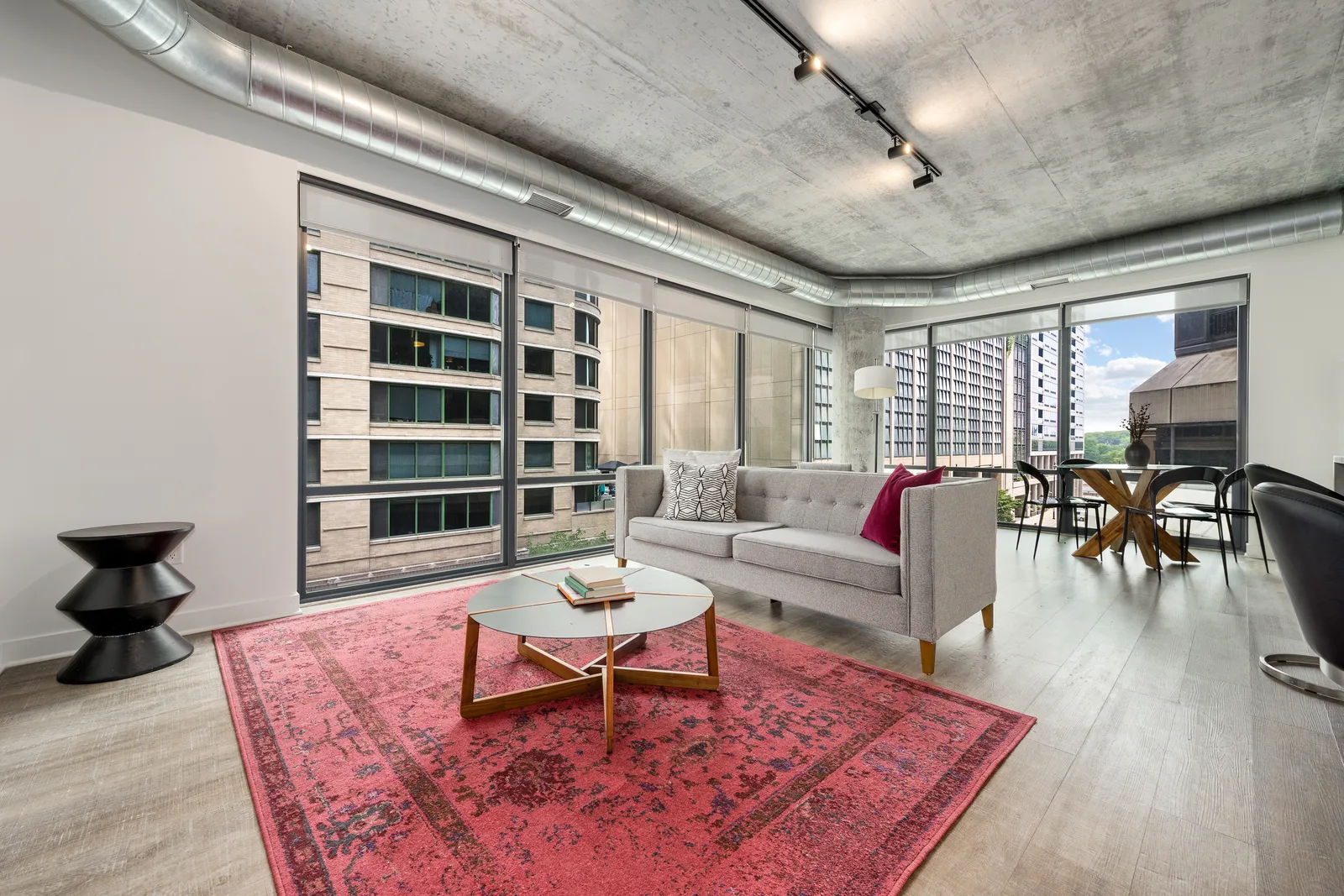
Ask for a live walkthrough when possible. Request a slow pass from the residence entrance through each room, with the camera held at eye level and the lights used in ordinary conditions. Have the person pause at the kitchen work area, bathroom, closets, windows, outlets, and any place where a piece of furniture or mobility device must pass. Ask for a view that shows the relationship between rooms, not only a sequence of close-ups.
If a live tour cannot happen, ask which images or video correspond to the exact residence and what has changed since they were made. Keep a list of what was not shown. A remote tour is successful when it produces evidence and follow-up questions, not when it eliminates every uncertainty.
Test the arrival and weekly route
Use map and directions to confirm the address you are testing. Then enter the exact starting point and your real destination in the CTA Plan a Trip tool, using the date and time you expect to travel. The CTA tool includes accessible and step-free trip guidance; review that result separately if stairs or elevator access affects your plan. This is a route test, not a promise of a commute time.
Ask someone on the tour to show the apartment-side arrival route, or schedule an in-person visit before committing if that route is a must-have. If you cannot visit, write a decision rule: “I will not commit until the residence-specific route and my required access details are confirmed.”
Protect the decision and your documents
Keep one dated folder for the official listing, messages, tour notes, questions, answers, and draft terms. Use the property’s official contact route or application path rather than sending sensitive documents to an unverified address. Share only what the current process requests, and avoid leaving identification or financial files in a casual text thread. If a request or link is unclear, pause and ask the leasing contact to explain the channel.
Before you pay, apply, or sign, write a final gate: the residence is identified, current terms are understood, required questions have answers, and the remaining uncertainty is acceptable. Do not guess at fees, utilities, screening requirements, availability, or move procedures. If the packet is ready but you still need to see the home, schedule a tour rather than treating a remote impression as proof.